

The Short Answer: September
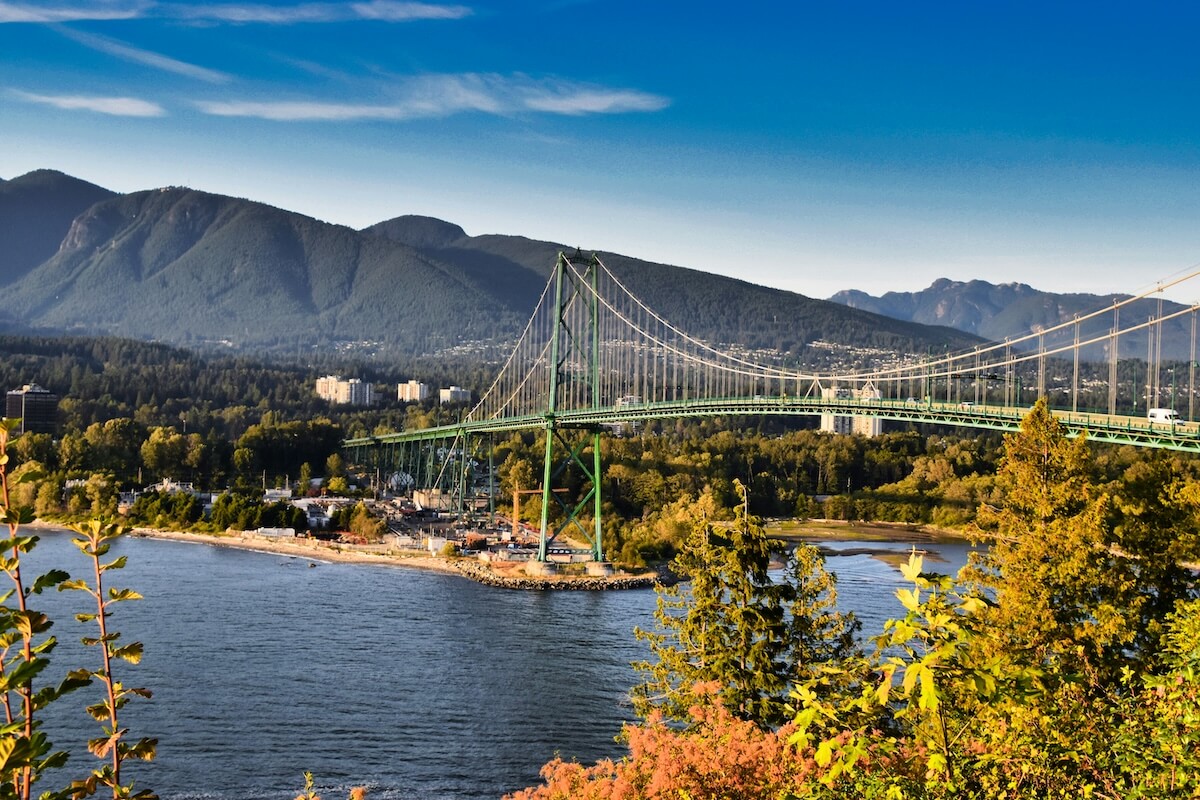
If you only read one paragraph, make it this one. September is Vancouver’s best-kept secret. The summer crowds have thinned out, hotel rates ease off their peak (often 20–30% cheaper than July and August), and the weather is arguably better than July – warm, dry, and golden-lit, without the wildfire-smoke risk that can hang around in August. Daytime highs sit comfortably in the low-to-mid 20s°C, evenings are cool enough for a light jacket, and the rain hasn’t properly started back up yet. Local produce is at its peak, patios are still open, and you can actually get a table or a hiking trailhead without booking weeks out. It’s the month locals quietly hope tourists don’t find out about.
But Here’s the Full Calendar, Because Timing Depends on What You’re After
January–February: Best for Bargains
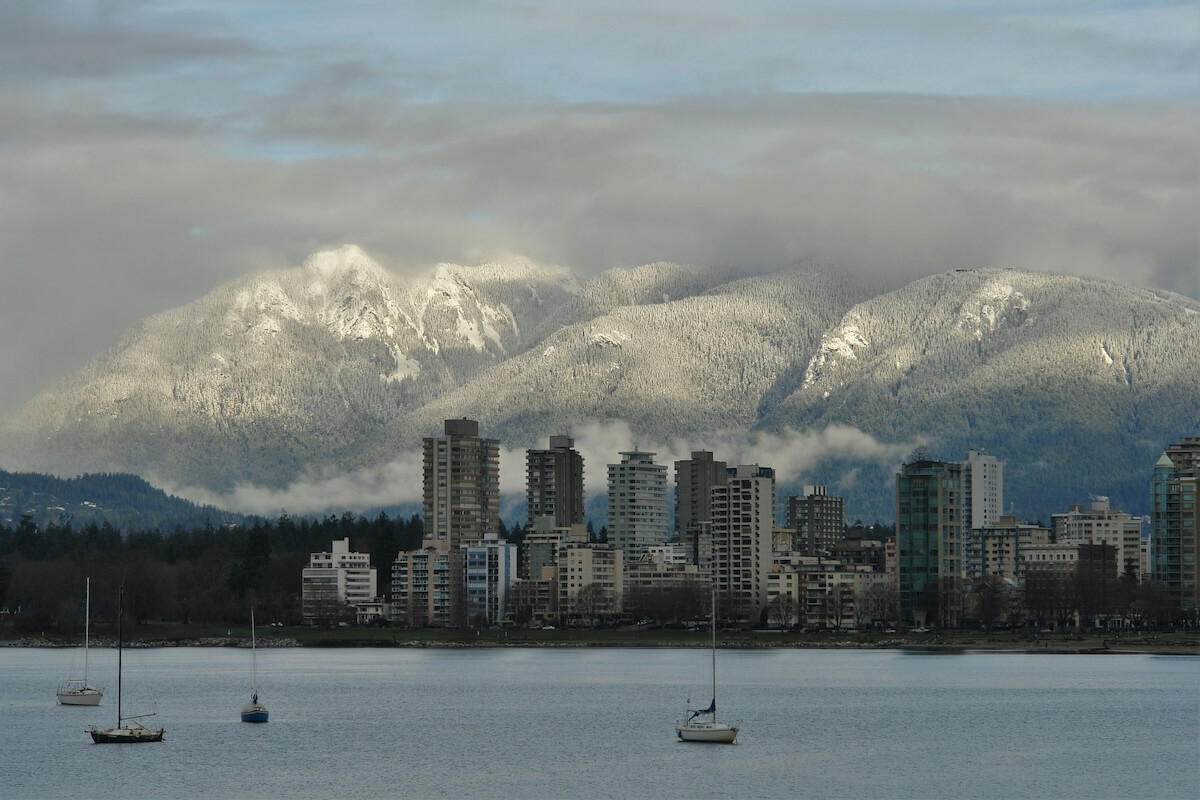
This is the cheapest stretch of the year to fly in and book a hotel – rates typically drop 40–50% below summer peaks. It’s also Dine Out Vancouver season, Canada’s largest food and drink festival, running for about three weeks each winter, when hundreds of restaurants roll out prix-fixe menus at accessible price points, alongside one-off events like foraging walks and dumpling festivals. It’s ski season too: Cypress, Grouse, and Seymour are all a short drive from downtown, and Whistler is about two hours north and often skiable into spring. The trade-off is real, though – expect around 15 rainy days a month, highs hovering around 7°C, and short daylight hours. Pack a proper waterproof shell, not a fashion raincoat.
March: Quiet, Cheap, and Warming Up
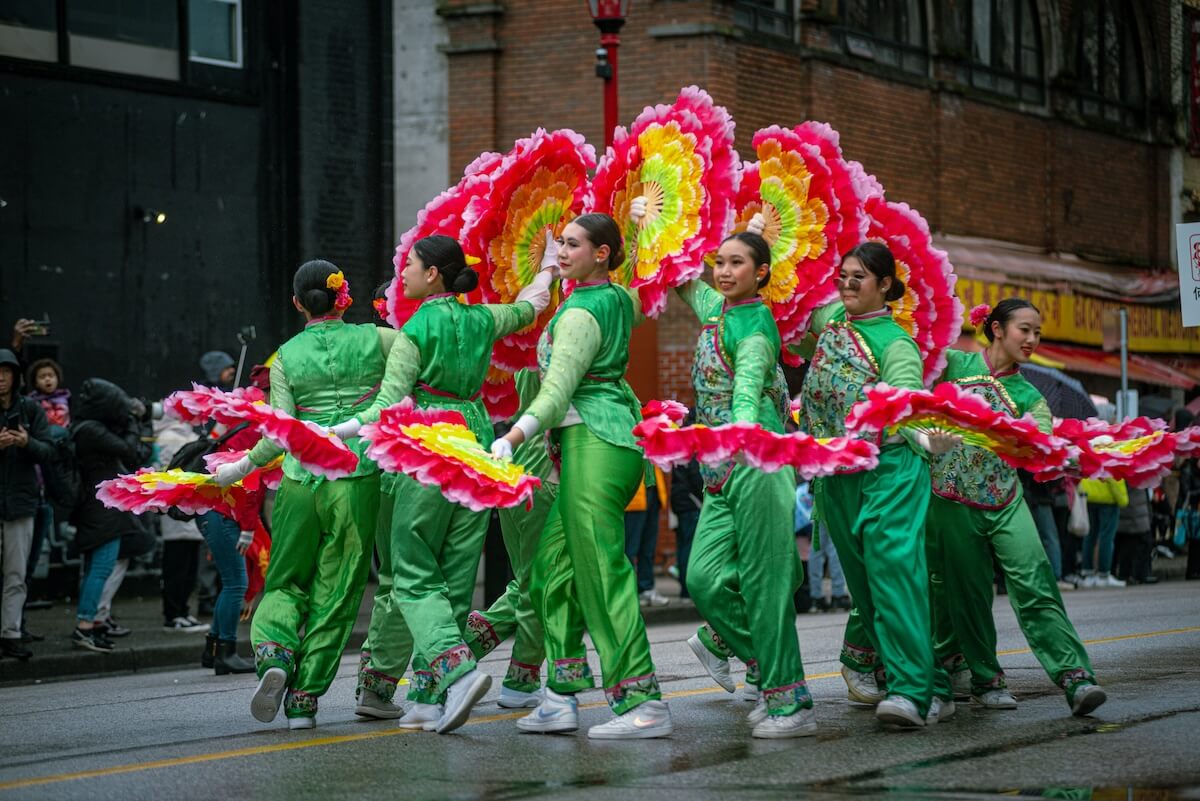
Rain starts easing off, daylight stretches out fast (you’ll gain close to an hour of light over the month), and average highs climb into double digits. The Vancouver International Wine Festival typically lands in late February or early March, and Lunar New Year celebrations bring Chinatown to life with lion dances and food stalls. It’s not the prettiest month weather-wise – you’ll still get plenty of grey, drizzly days – but hotel prices stay low and you won’t be fighting crowds anywhere.
April: Cherry Blossoms and Comfortable Crowds
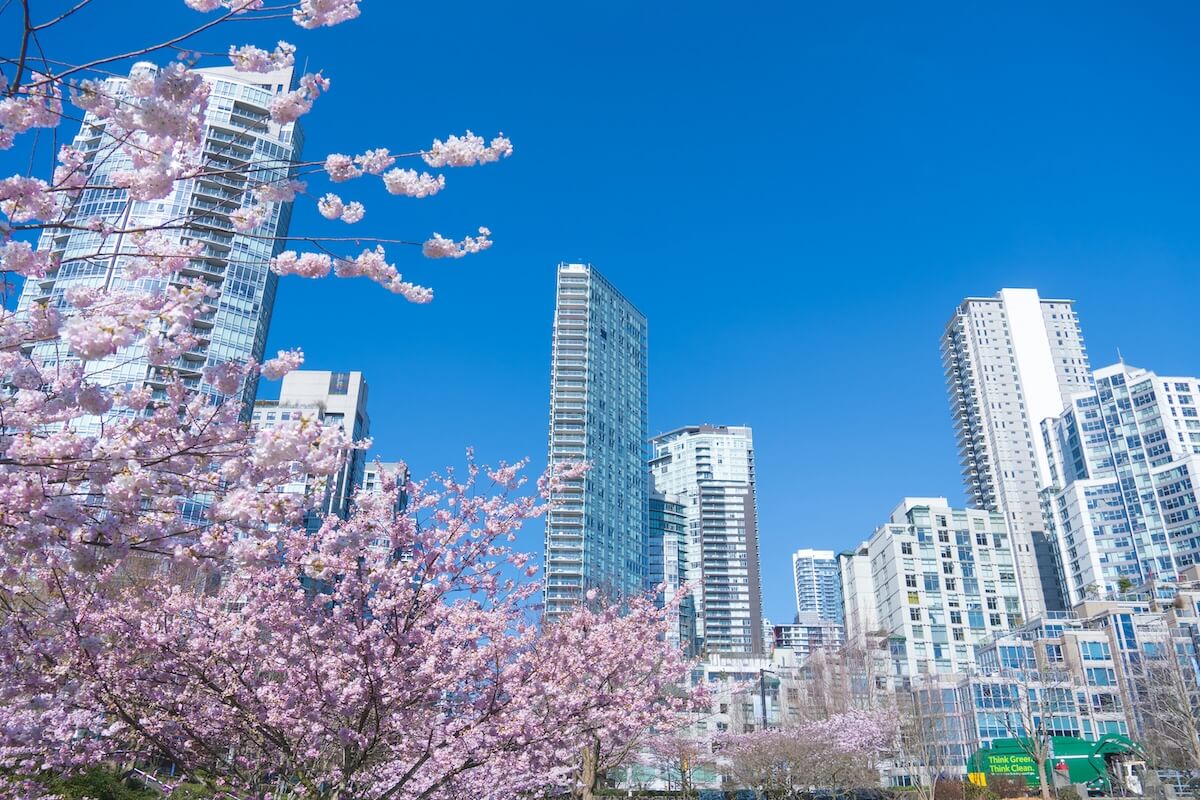
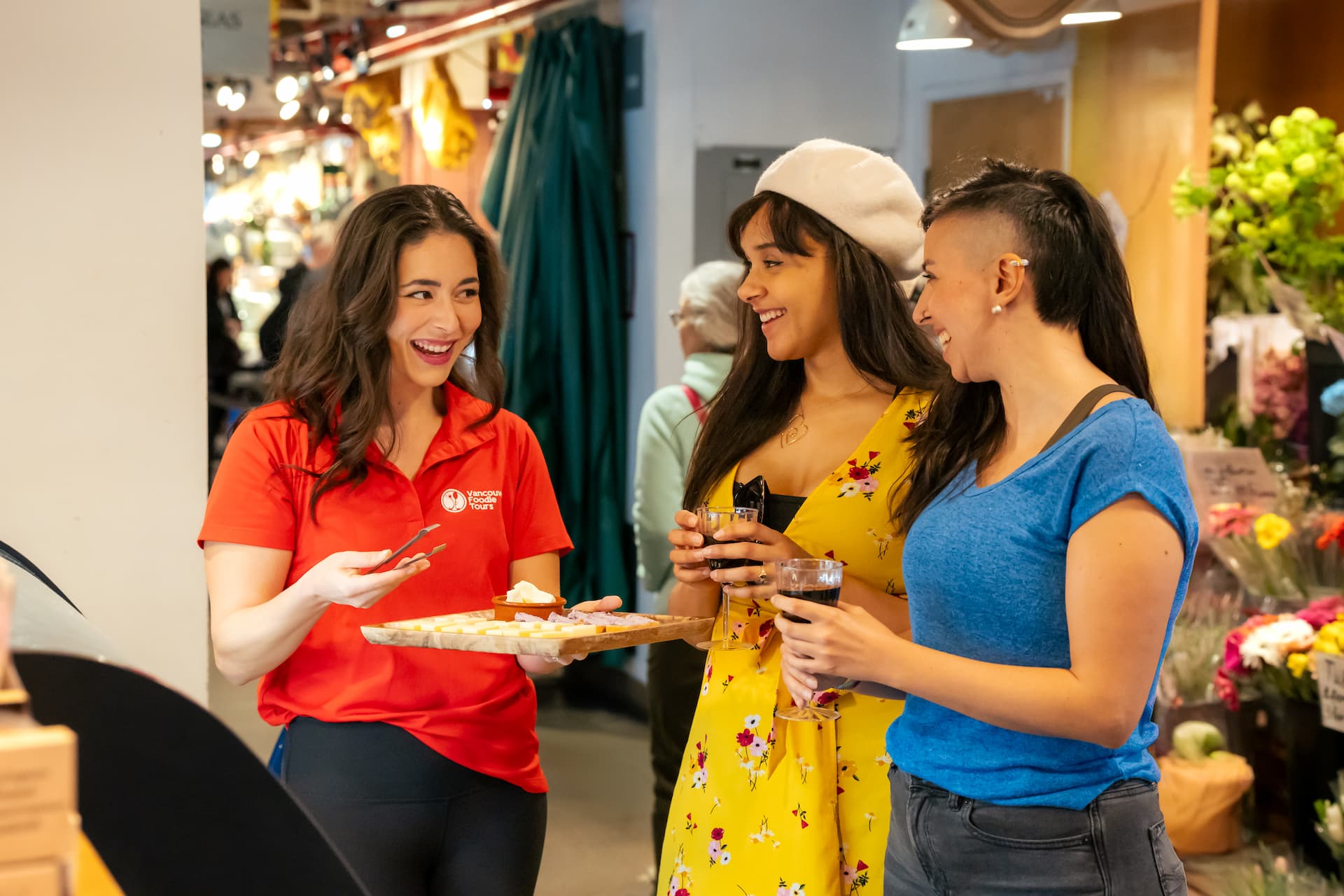
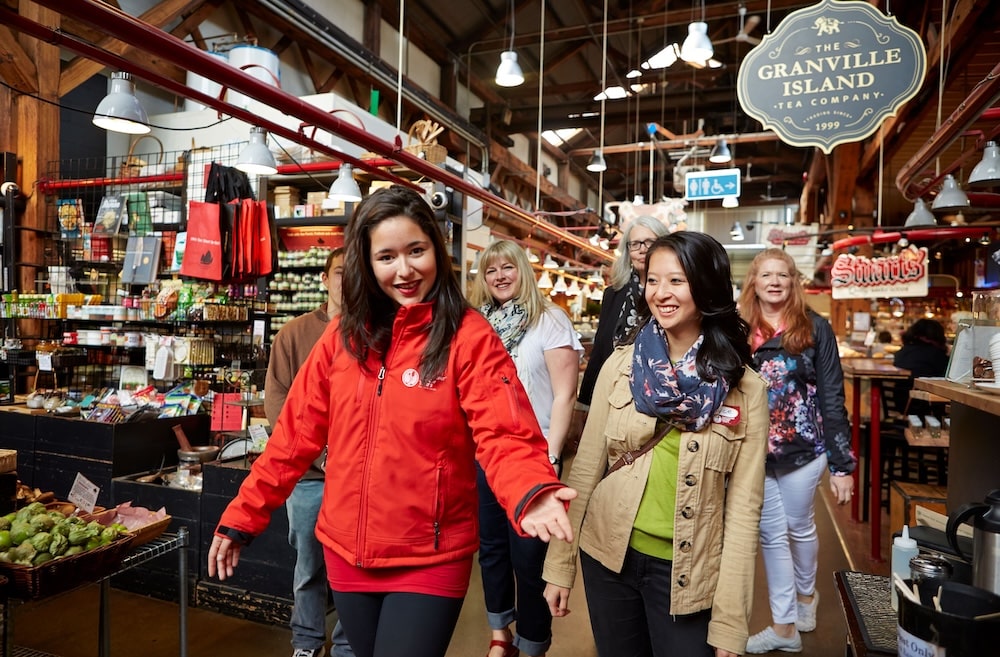
Vancouver’s roughly 43,000 ornamental cherry trees put on a show through early-to-mid April, with certain streets and parks turning almost entirely pink for a couple of weeks. The Cherry Blossom Festival runs through the month, with community picnics and guided blossom walks. Weather is warming (highs around 13–15°C), rainfall is dropping, and crowds haven’t hit summer levels yet, so it’s a genuinely comfortable window for walking around and taking photos. It’s also a nice time to wander Granville Island Public Market or the stalls around Gastown, when the spring produce starts showing up and the vendors aren’t three-deep with visitors – a guided walk through either neighbourhood, like the ones run by outfits such as Vancouver Foodie Tours, is a good way to get properly oriented before you strike out on your own.
May–June: Long Days, Big Energy

This is when Vancouver properly wakes up – patios fill in, beaches get busy, farmers markets return across the city, and the events calendar picks up fast. Daylight stretches to 15-plus hours by late June. One thing to flag specifically for 2026: Vancouver is hosting matches for the FIFA World Cup, running roughly mid-June through mid-July, with a Fan Festival at Hastings Park, watch parties, and a citywide buzz that spills into restaurants and bars. Great energy if that’s your scene, but expect higher hotel rates and busier everything if your trip overlaps match dates – book well ahead.
July–August: Peak Season, Peak Everything
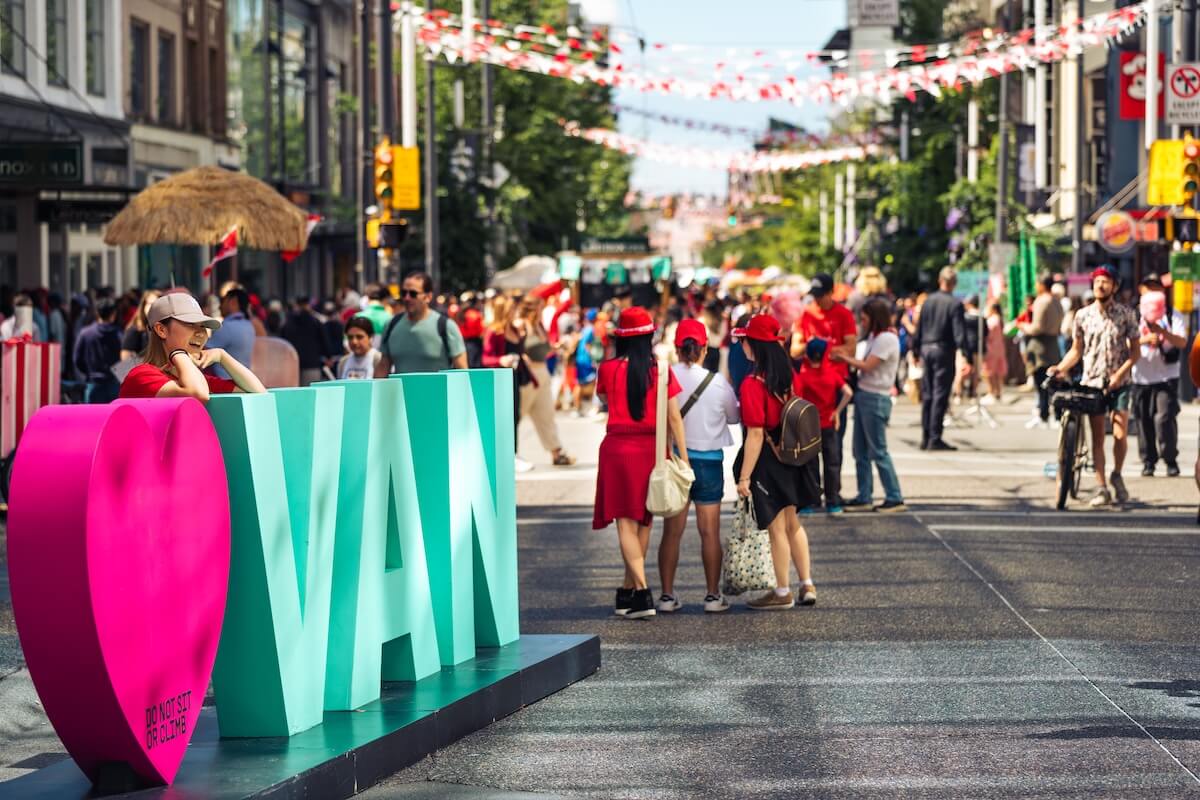
The warmest, driest, and busiest stretch of the year, with highs regularly in the low-to-mid 20s°C and long, bright evenings. Jazz Festival, Folk Fest, Pride, the PNE fair, fireworks over English Bay – there’s genuinely something on every weekend. It’s also the most crowded and priciest window of the year, with hotel rates 30–80% higher around marquee events, so book accommodations, tours, and popular restaurants well ahead. If glorious weather and maximum festival energy matter more to you than elbow room, this is your window.
September: The Sweet Spot (See Above)
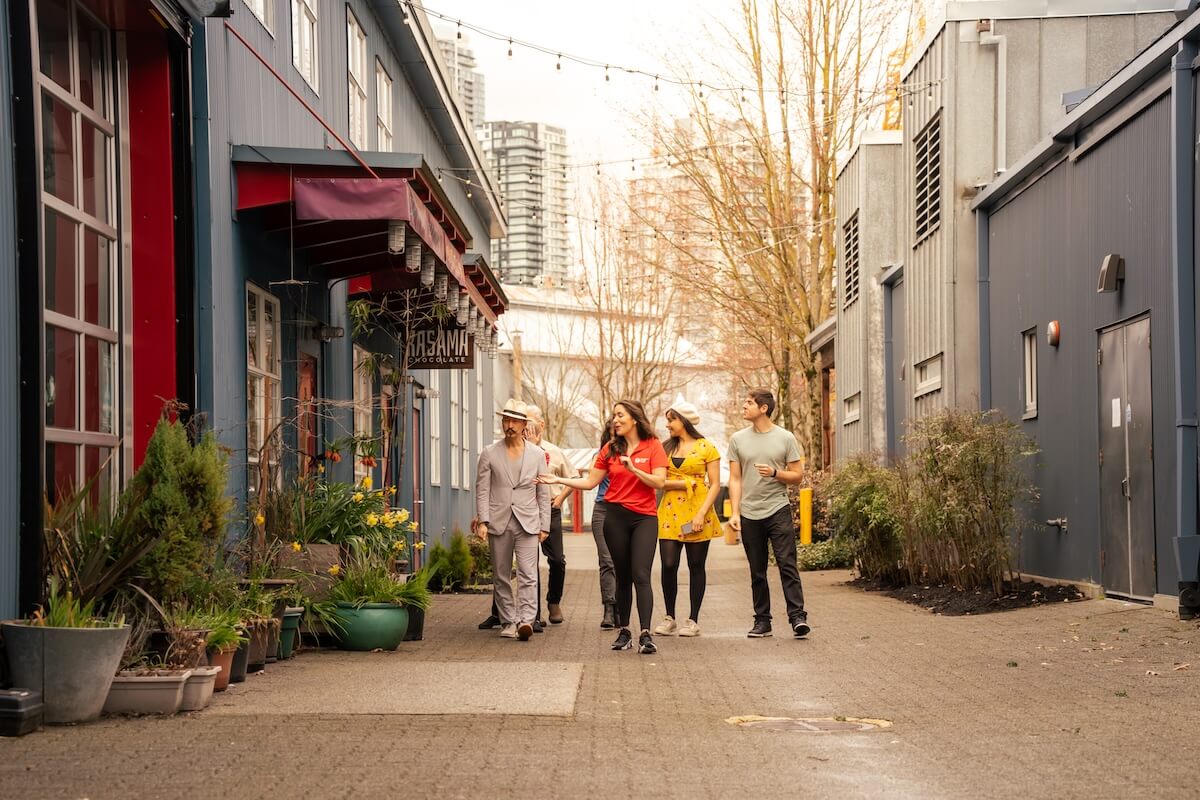
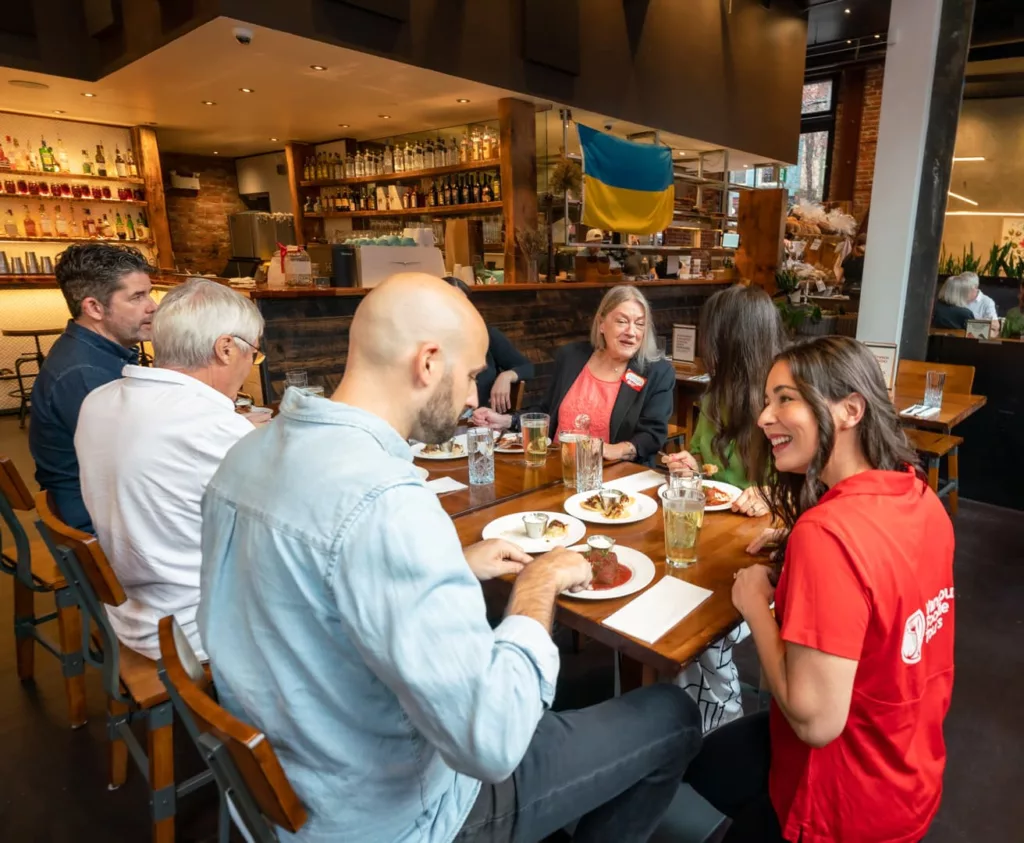
Worth repeating: shoulder-season pricing, great weather, and noticeably thinner crowds than peak summer. This is our top pick for a first-time visit, and a good time to slow down and actually explore neighbourhoods properly – Gastown, Chinatown, Commercial Drive, Granville Island – without elbowing through tour groups. If you want a local’s shortcut into the food and market scene, September is also an easy month to book a walking food tour, since restaurants aren’t slammed the way they are in July.
October: Cooler, Quieter, Still Charming

Rain creeps back in and highs drop into the mid-teens, but the city is full of character – fall colours in Stanley Park and Queen Elizabeth Park, cozy pub and café culture, and the Vancouver International Film Festival for anyone timing a trip around more than sightseeing. Good month for value if you don’t mind an umbrella.
November–December: Underrated Holiday Charm
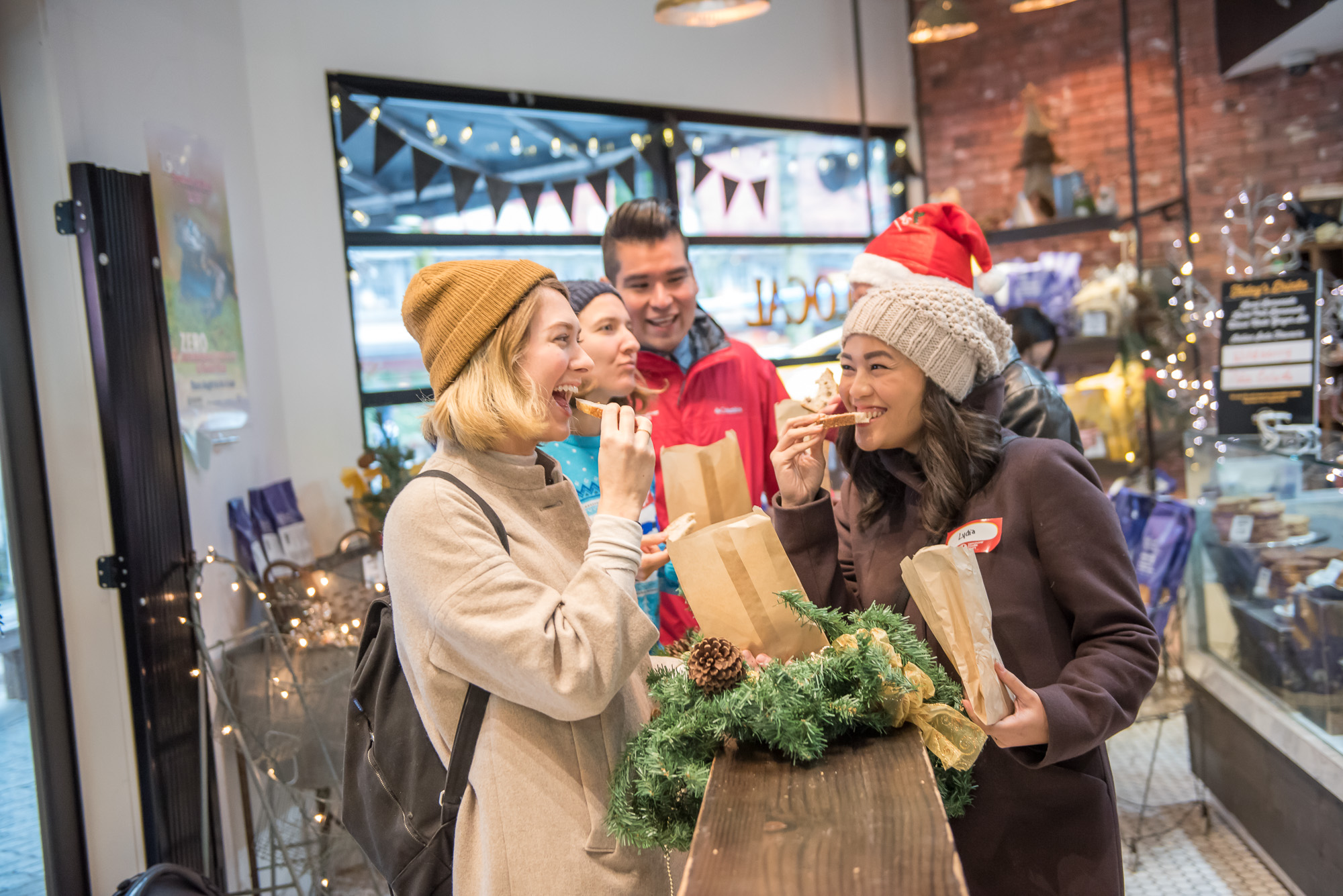
Vancouver’s holiday season, running from mid-November through early January, is genuinely one of the most underrated times to visit. The Vancouver Christmas Market takes over Jack Poole Plaza with lights, mulled wine, and 80-plus wooden vendor huts, VanDusen Botanical Garden lights up with over a million bulbs, and Capilano Suspension Bridge runs its Canyon Lights display through the forest canopy. The city leans fully into festive mode. Rainy, yes, and highs hover around 6–7°C – but charming, and noticeably less crowded than summer, with hotel rates well below peak.